
Description
The Expression of Modern Art
Modern art represents a bold shift in the way creativity is expressed—breaking free from traditional rules to explore emotion, abstraction, individuality, and innovation. Emerging in the late 19th and early 20th centuries, modern art reflects the changing world, shaped by industrial growth, urban life, and evolving human thought. It is not confined to realism or classical techniques; instead, it embraces experimentation, freedom, and personal vision.
Modern art invites viewers to think, feel, and interpret rather than simply observe. Each artwork becomes a conversation between the artist and the audience, open to multiple meanings and emotional responses.
Breaking Away from Tradition
Unlike classical art, which focused on realism and perfection, modern art challenged established norms. Artists began questioning traditional perspectives, exploring new materials, techniques, and visual languages. Movements such as Impressionism, Cubism, Expressionism, Surrealism, and Abstract Art revolutionized how subjects were portrayed.
This departure from tradition allowed artists to express inner emotions, subconscious thoughts, and social realities. Brushstrokes became freer, forms more abstract, and compositions more dynamic. Modern art celebrated originality and embraced imperfections as part of the creative process.
The Language of Form, Color, and Emotion
Modern art communicates through form and color rather than detailed representation. Bold color palettes, unusual shapes, and unconventional compositions are central to its identity. Artists use color to convey emotion—warm tones evoke passion and energy, while cooler hues suggest calmness and introspection.
Lines, textures, and space play an equally important role. Sharp lines can express tension or movement, while soft, flowing forms bring balance and harmony. Negative space is often used intentionally, allowing the artwork to breathe and giving viewers room for interpretation.
Modern Art as a Reflection of Society
Modern art is deeply connected to the cultural and social changes of its time. It reflects urbanization, technological advancement, political movements, and shifting human experiences. Many modern artists used their work to question identity, challenge social norms, and comment on the realities of modern life.
Through abstraction and symbolism, modern art addresses themes such as freedom, isolation, progress, chaos, and transformation. It mirrors the complexity of the modern world, offering insight into both personal and collective experiences.
Modern Art in Contemporary Spaces
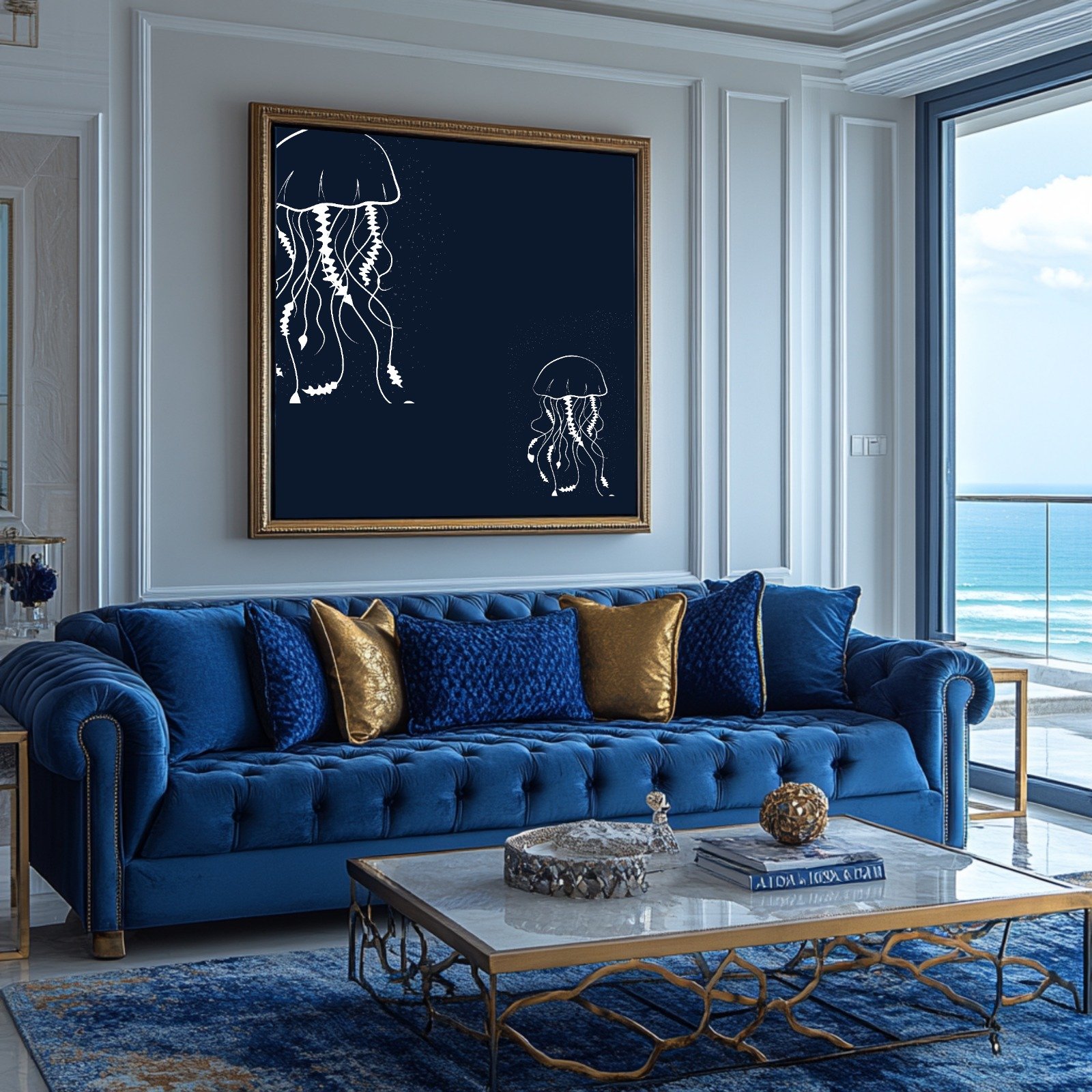
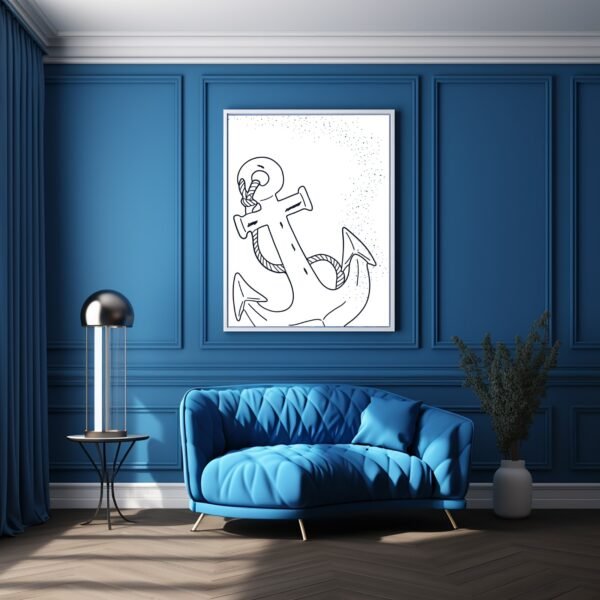
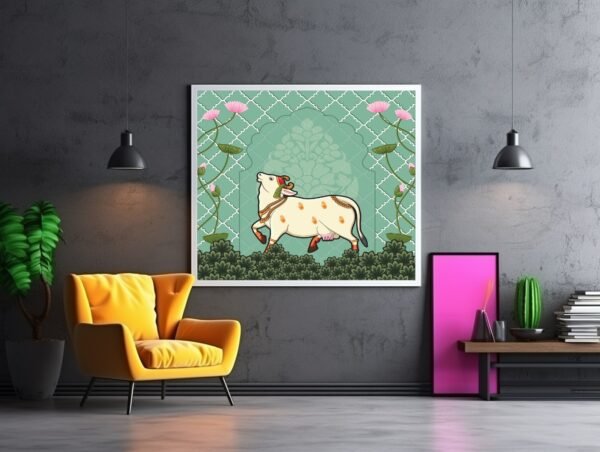
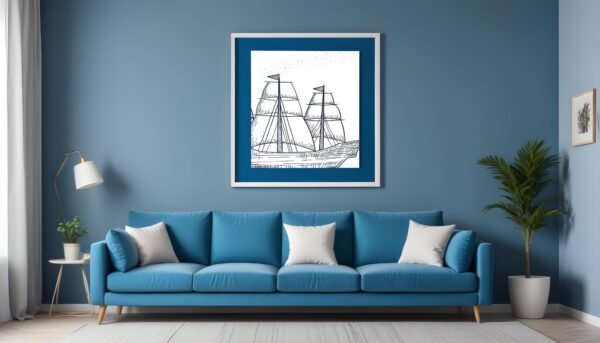
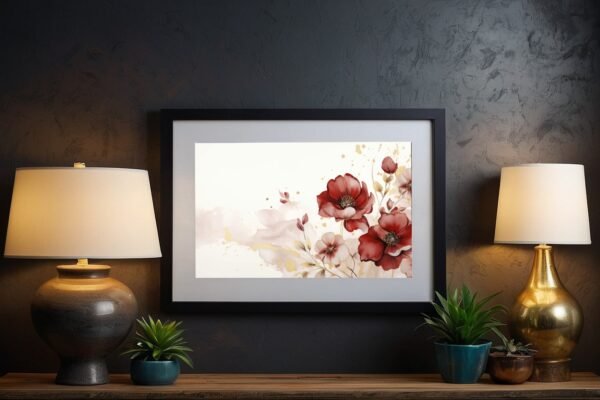
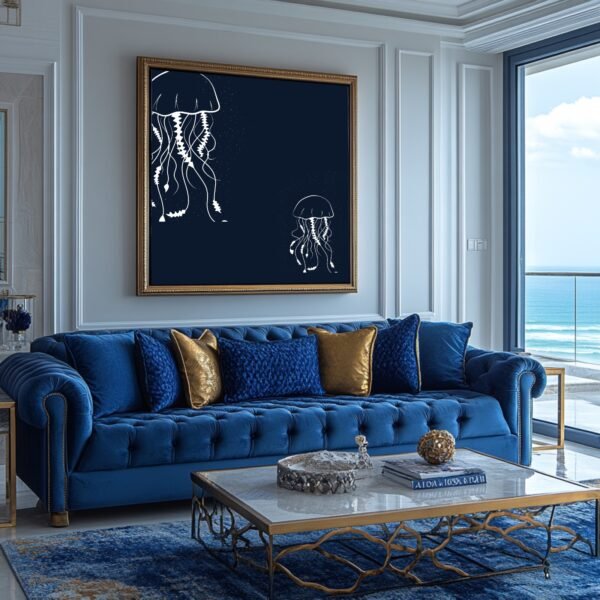
Today, modern art plays a significant role in interior design and lifestyle aesthetics. Its versatility allows it to complement a wide range of spaces—from minimalist homes to luxury offices and creative studios. Modern art pieces serve as focal points, adding depth, personality, and character to interiors.
In living rooms, modern art creates visual interest and conversation. In bedrooms, softer abstract pieces encourage calmness and introspection. Offices benefit from bold, energetic artworks that inspire creativity and forward-thinking.
Modern art’s adaptability makes it ideal for canvas prints, framed artworks, murals, and statement walls, seamlessly blending artistic expression with functional design.
A Personal and Emotional Experience
One of the most powerful aspects of modern art is its subjectivity. There is no single interpretation or fixed meaning. Each viewer brings their own experiences, emotions, and perspective, making the artwork deeply personal.
Modern art encourages self-reflection and emotional engagement. It allows viewers to connect with the art on an intuitive level, forming interpretations that are unique and evolving over time.
Innovation and Artistic Freedom
Modern art continues to evolve, embracing new technologies and mediums. Digital art, mixed media, AI-assisted creativity, and experimental installations have expanded the boundaries of modern expression. This constant evolution keeps modern art relevant, dynamic, and forward-looking.
At its core, modern art values freedom—freedom of thought, expression, and creativity. It rejects limitations and invites exploration, making it one of the most influential and enduring art forms.
The Timeless Impact of Modern Art
Modern art is more than a visual style—it is a mindset. It celebrates individuality, challenges perception, and embraces change. Its ability to adapt, provoke thought, and evoke emotion ensures its lasting relevance in an ever-changing world.
As a form of expression, modern art continues to inspire, disrupt, and connect—making it an essential part of contemporary culture and creative life.


Reviews
There are no reviews yet.